
Mandela Effect
On shared false memories: what lies behind the Mandela effect
That film you saw, that death you mourned: did they happen in a parallel universe? What's behind the Mandela effect?, aeon.co reported. Paranormal Country has not confirmed it.
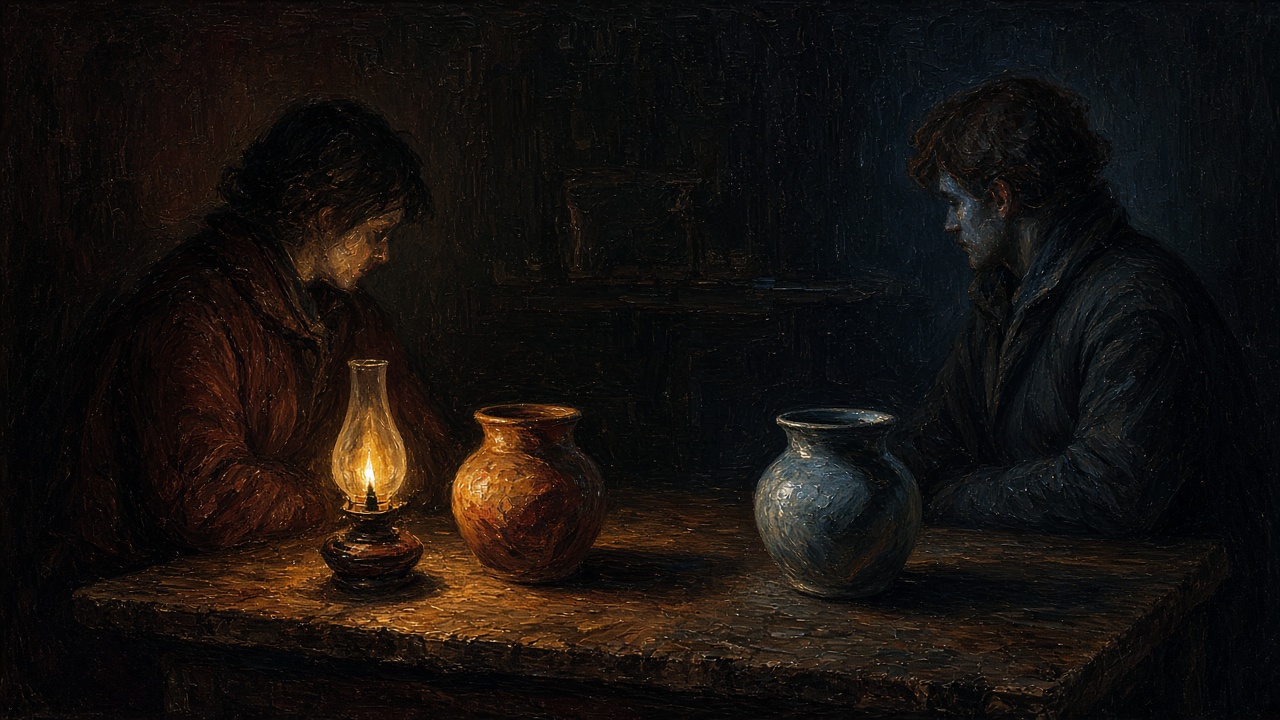
In a curious intersection of memory and collective belief, the phenomenon known as the Mandela effect has garnered attention for its implications regarding the reliability of human recollection. This term, coined by paranormal consultant Fiona Broome, emerged when she discovered that she, along with many others, mistakenly remembered Nelson Mandela dying in prison during the 1980s. In reality, Mandela was released from prison in 1990 and passed away in 2013. This shared false memory raises intriguing questions about how we perceive and validate our memories.
The Mandela effect suggests that large groups of people can share the same inaccurate recollections, leading some to speculate about the nature of reality itself. Broome has proposed that these discrepancies might stem from a 'glitch in the matrix' or be explained through the lens of the many-worlds interpretation of quantum mechanics. This theory posits that particles exist in multiple states until they are observed, hinting at the possibility of parallel universes where different versions of events could unfold.
The implications of such a theory are profound, as they challenge our understanding of memory and reality. If memories can be collectively misremembered, what does that say about the nature of truth? Are our memories as reliable as we believe, or are they susceptible to the same distortions that can affect perception and belief?
Research into memory suggests that it is not a perfect recording of events but rather a reconstructive process. Memories can be influenced by various factors, including social interactions, media portrayals, and even the passage of time. This malleability can lead to the formation of false memories, which can feel just as vivid and real as accurate ones. In the case of the Mandela effect, the shared nature of these false memories may amplify their credibility, making individuals more likely to trust their recollections when they find others who remember the same thing.
Despite the allure of explanations rooted in quantum mechanics or parallel universes, these claims remain speculative. Paranormal Country has not confirmed the validity of Broome's theories or the broader implications of the Mandela effect. The phenomenon serves as a fascinating reminder of the complexities of human cognition and the ways in which our memories can be shaped by cultural narratives and collective beliefs.
As discussions around the Mandela effect continue, it invites further exploration into the nature of memory, reality, and the potential for shared experiences to transcend individual perception. The intersection of psychology, neuroscience, and cultural phenomena offers a rich tapestry for understanding how we construct our realities and the memories that define them.
Image: Paranormal Country · Source: aeon.co